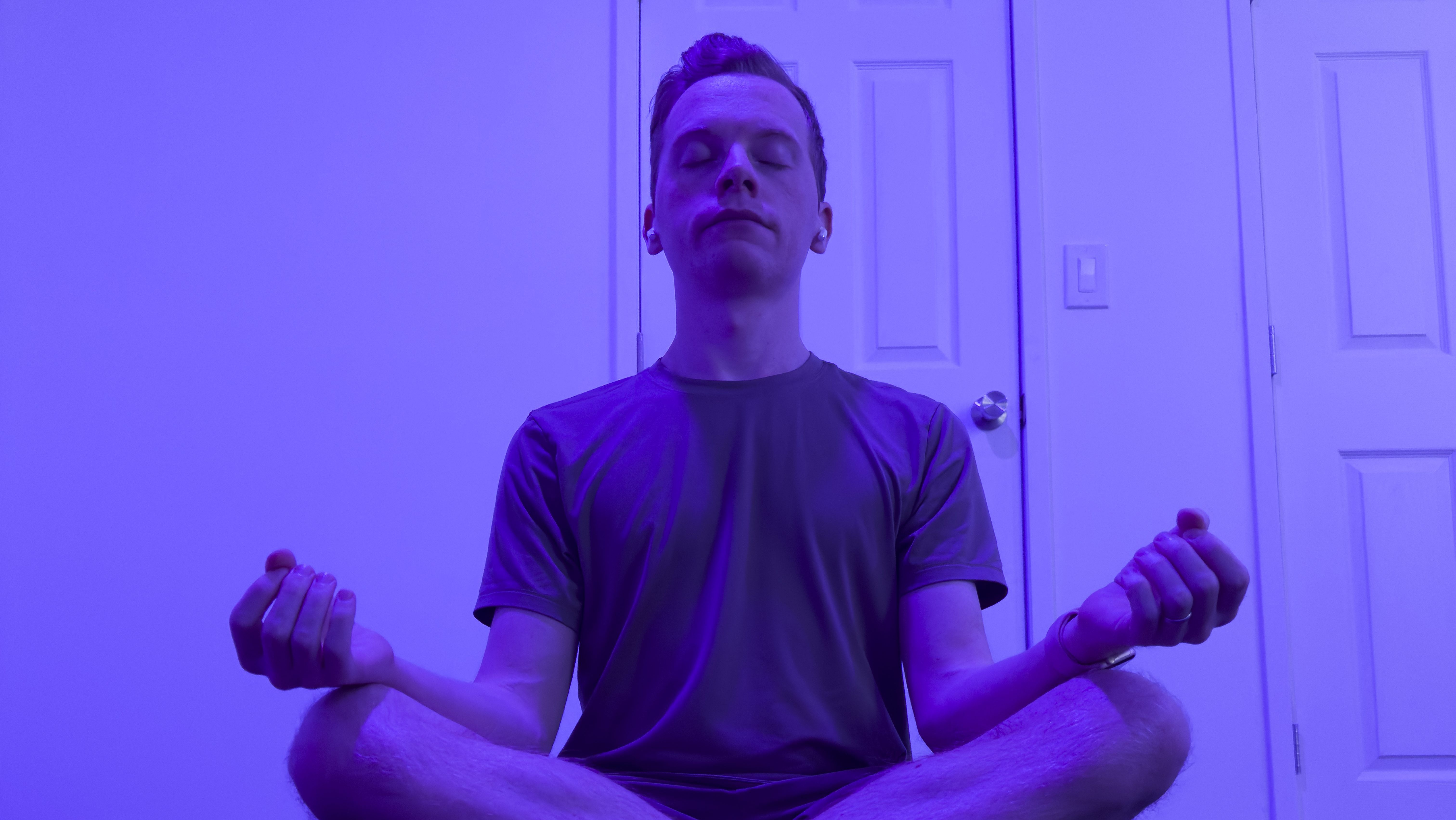
Learning to control my anxiety has been quite the process. While it may seem like I’m pretty confident and content on a daily basis, based on my social media posts, I have my rough days like everyone else. You could say I’ve always been a worrier to some extent, but it wasn’t until I experienced my first panic attack that I knew I needed to ask for help.
Fast forward to a few years later, and my anxiety resurfaced (even after I thought I had identified my triggers) and it became even harder to control and do daily tasks. So rather than trying to do it all by myself, I applied for therapy and started an anti-anxiety medication recommended by my primary care provider.
While the medication itself helped dull the anxiety symptoms, it didn’t solve the root cause and I found it not being as effective as I’d like whenever it wore off. Now thanks to recommendations from my therapist, I’ve been able to discover the usefulness of meditation. I do it when I find it hard to focus, to find calm, and to help me sleep.
Meditation methods I find useful
Apple Fitness + guided meditations
The reason I enjoy this meditation program so much is because of the variety. It’s nice to have options for so many different moods and needs that can fit me any time of the day. The meditation themes they offer are:
- Awareness
- Breath
- Calm
- Creativity
- Focus
- Gratitude
- Kindness
- Purpose
- Resilience
- Sleep
- Sound
- Wisdom
They also have specific meditation programs that can help you with stress and anxiety or strengthening relationships. If you’re new to meditation, they also offer meditations for beginners, an introduction to breath meditation, and an introduction to meditations for sleep.
Progressive Muscle Relaxation
Progressive Muscle Relaxation (PMR) is a meditative relaxation technique where you tense and slowly release different muscle groups in the body, one at a time. This can help you become more aware of tension that you may be holding and teaches you how to relax by focusing on the difference between tension and relaxation. It’s often used to reduce stress and anxiety, improve sleep, and promote general well-being.
How to practice PMR:
- Find a quiet space: Sit or lie down in a comfortable position where you won’t be interrupted.
- Inhale and tense: Take a deep breath and squeeze your muscles as hard as you can for about 5 seconds (starting with your feet).
- Exhale and release: Let go of all the tension while breathing out. Imagine the stress flowing out of your body.
- Notice the difference: Stay relaxed for about 15 seconds, focusing on how different the muscle feels now compared to when it was tense.
- Repeat up your body: Move to the next muscle group and repeat. Going from your calves and thighs, to your hands and arms, to your stomach, all the way up to your your face.
Don’t forget your jaw and forehead! You’d be surprised how much stress we hide there. I just tried this method with my therapist recently, and let me tell you I thought I was relaxed before my session, but I felt even more calm and my mood was so relaxed that I know I’ll be making use of it in the future.
I think what works the most for me is being able to recognize what relaxation actually feels like. I made the joke with my therapist after that when we got to the part where I needed to tense my face and relax it again I realized my face was tense beforehand and relaxing it gave me a true feeling of peace and relief.
Try it for yourself and see how you feel
While meditation hasn’t ‘cured’ my anxiety, it’s given me the tools to navigate through the rough days. If you’re feeling overwhelmed, I highly recommend trying just 5 minutes of PMR tonight or a guided meditation of your choosing. There are plenty of offerings on YouTube and other services and I encourage you to do what suits you best.
Just like I talked about in my post on how to motivate yourself and keep a habit, the key to seeing results with meditation isn’t doing it perfectly, it’s just showing up consistently.
Disclaimer: While I am an avid Apple Fitness + user, I am not endorsed or paid by them to mention their product. I am also not paid to promote any of the products mentioned in this blog post. I’m simply using my experience to help others learn and grow.


 JordyJournoFit
I’ve been trying to get into meditation to help with my anxiety, do you have any tips for beginners? 🙏
I know meditation doesn’t work for everyone, but I will say what works for me about it is it helps ground me. It helps me focus on something besides what may be making me anxious. Making sure you choose a length of time that works for you is important (longer vs. shorter). I would also say guided meditation works a lot more for me than self-guided meditation.