Hopefully by reading the title you’ve come across this intentionally rather than just by coincidence. Either way. I want to tell you a few things that any aspiring journalist should know.
First, you should always remember K.I.S.S. This stands for “Keep It Simple Stupid” (or Keep It Short and Simple if you’re trying to be nice). Don’t write sentences that are too long. They’ll either bore the reader or lose their meaning. Stick to the point you’re trying to make. Nothing more, Nothing less.
Of course it depends on what’s being written but generally, news stories are short, simple and concise. On the other hand, if you were writing a review or a feature then I expect that you would use slightly longer sentences.
When writing news, you should always use the inverted pyramid (see below).

Following this structure helps you create a story that flows well. In all honesty I’m still working on my news writing. A lot of my lecturers have said it takes time to become ‘a good writer’ and I agree. There’s been some improvement in my writing since I started my course but, I don’t plan on stopping there.
Before you can write a story you need to find one. Where you live and/or who you write for (local, regional or national) will sometimes determine how difficult it is to find a story.
Studying in a place like Hastings, I have experience with finding news in a small town and how hard it can be. This aside, when I go to work in Eastbourne I find it a bit easier to source stories. I think this is down to them being well-established within the town. If you’re lucky enough to live or study in a big city like London, Manchester, Cardiff or Birmingham then take advantage of this. It’ll mean that you’ll have a wider area to source your stories from.
Although there are always news stories to be found, it’s not always easy to find them. You’ve got to make connections in the area that you work and live. Arguably, in the era that we live in, you can source stories from social media alone. What may look like a bit of inane chatter can turn out to be a gem of a story. You’ve just got to find the angle.
This moves me onto my next point. A story, like a diamond, has many angles. As far as I’m concerned, there will always be many ways of telling the same story. If there wasn’t then all the different news outlets wouldn’t exist as they do today. One thing you need to be aware of is that a different angle isn’t just rewriting what’s already out there. It’s telling the story from a different perspective. Perhaps it’s going deeper into the subject or maybe it’s just looking at one aspect. Nobody wants to read the same thing twice. Be original.
I advise anyone that’s thinking of going into journalism to go to university. You learn so much more than what I am telling you now. The idea is that I give you the starting point so you don’t go in completely blind. When choosing a course, make sure that it’s NCTJ (The National Council for the Training of Journalists) or BJTC (Broadcast Journalism Training Council) accredited. This way you’re almost guaranteed to be taken on by an industry standard employer.
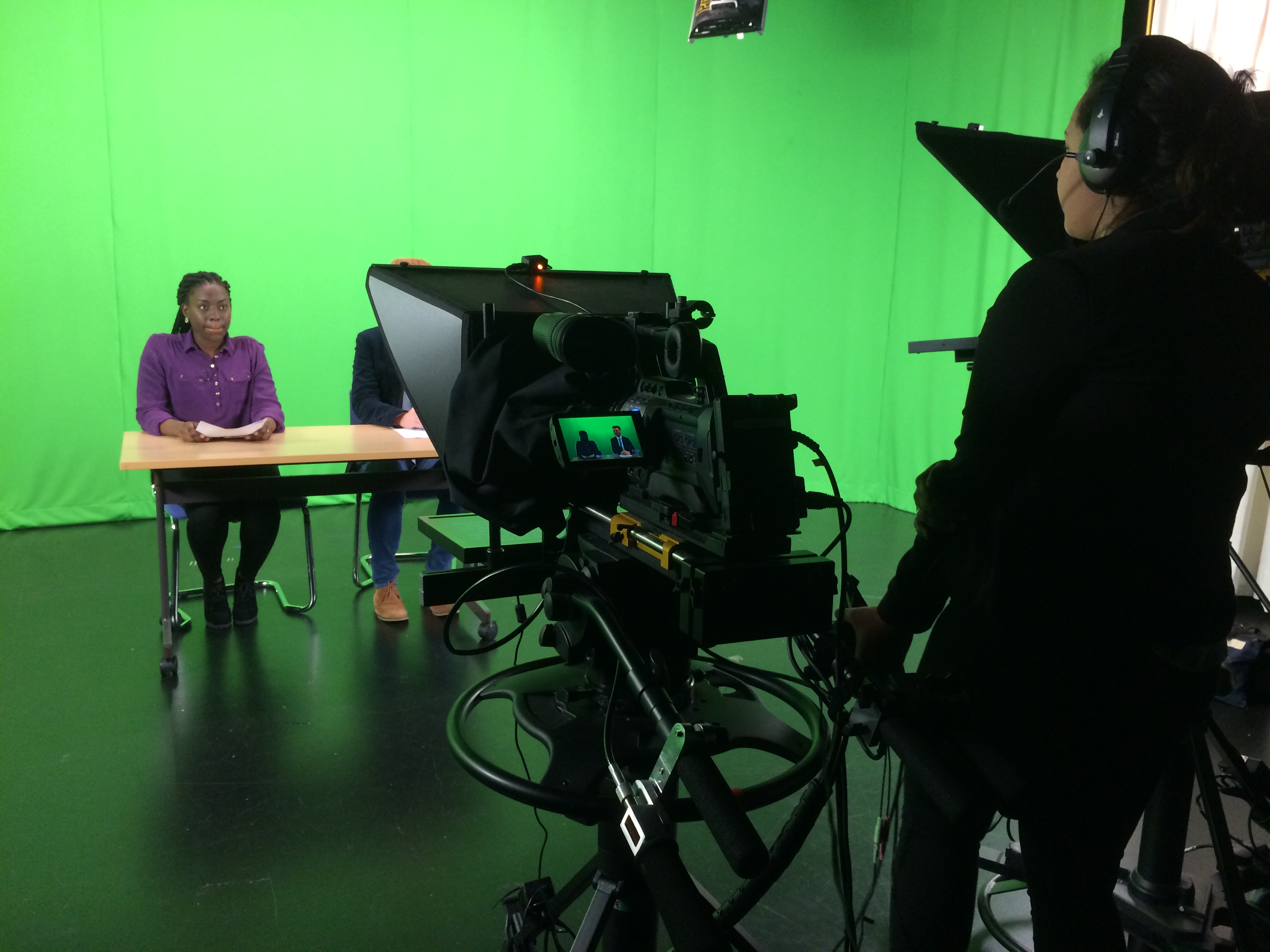
Not naming any names but, I know a couple of people who are in their final year of university without either accreditation. This is through no fault of their own and was down to the fact of them being misinformed. I think they’ll find it harder to get a job in journalism however; this may not be the be all and end all.
Experience will help you any budding journo get a job. Employers are looking for people who are actively involved with work outside of education. As far as I’m concerned, uni is there to teach you the skills you need. To really benefit you need to put the skills into practice which means being in a workplace environment, otherwise you’ll be stuck in what I call ‘an education bubble’. Since beginning my internship I’ve managed to interview quite a few people including Iain Duncan Smith (Secretary of State for Work and Pensions).
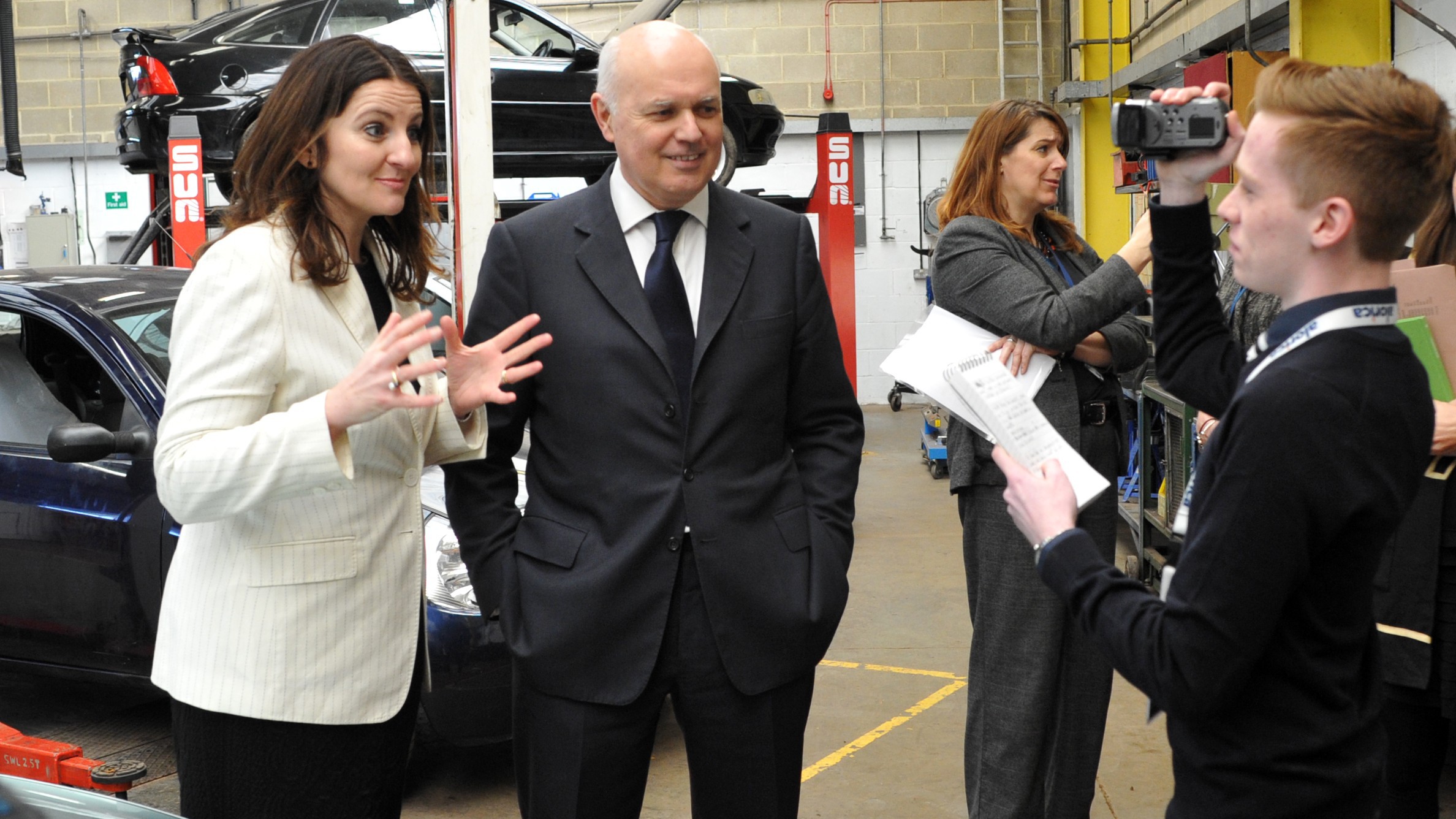
In all honesty I’m lucky to have this job and like all the other candidates I had to apply with a CV; supply a cover letter; and be interviewed by three members of staff. It’s unlikely you’ll have to be interviewed by three people at once, but this proves it’s not an impossible situation. Sometimes your competition will be people you know but that’s not reason to try your hardest. Getting your ‘foot in the door’ is the best thing you can do.
These are just a few tips and bits personal experience for anyone who thinks they may be interested in journalism.
If anyone would like to add more information or advice then please comment below. Alternatively if anyone would like the names of some good journalism books then send an email to jordyjourno@outlook.com.


 JordyJourno